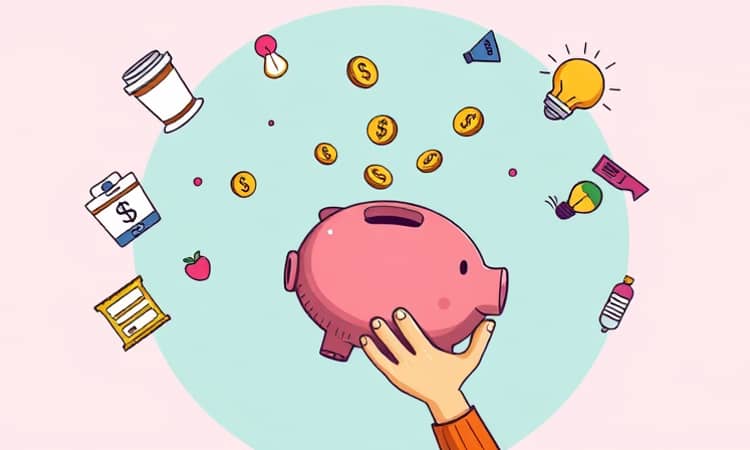
In the quiet corners of our daily lives, money slips away unnoticed, like sand through open fingers.
These small, repetitive, and impulsive purchases might seem trivial, but they collectively form what experts call the silent leaks in our finances.
Imagine a bucket with tiny holes; every drop lost is a coin wasted, and over time, this can lead to significant financial erosion that undermines your future security.
This article explores how minor expenses, often dismissed as harmless, can add up to substantial losses, equating to throwing away a car's worth of savings over a decade.
We will delve into the hidden world of ant, ghost, and vampire expenses, providing actionable strategies to reclaim control and build a resilient financial life.
By understanding and addressing these leaks, you can transform small savings into powerful tools for achieving your long-term goals.
The Invisible Thieves: Defining Ant, Ghost, and Vampire Expenses
Financial leaks often go undetected because they are masked by everyday habits and automated systems.
Ant expenses are the most common and insidious type, involving small, frequent purchases that provide momentary pleasure but drain resources over time.
Examples include daily coffee runs, impulse buys on Amazon, or snacks that seem insignificant in isolation.
Ghost expenses, on the other hand, are automatic and nearly invisible, lurking in subscriptions and services you no longer use.
Think of gym memberships, streaming platforms, or free trial apps that convert to paid charges without notice.
Vampire expenses continuously suck money from your account, even when inactive, such as leaving lights on, unused bank fees, or outdated insurance policies.
Recognizing these categories is the first step toward financial awareness and prevention.
- Ant expenses: Small, impulsive spends like coffee or snacks.
- Ghost expenses: Automated subscriptions and forgotten services.
- Vampire expenses: Continuous drains like energy waste or fees.
Each type operates differently but shares the same outcome: slowly depleting your savings without obvious warning signs.
The Silent Drain: How Small Sums Add Up to Big Losses
The cumulative impact of these expenses is staggering, often surprising individuals when they calculate the totals.
For instance, spending just one euro daily on coffee translates to 30 euros per month and 360 euros annually.
When combined with similar small purchases, the sum can exceed 100 euros monthly, amounting to 1,200 euros yearly and 12,000 euros over a decade if saved instead.
This is equivalent to discarding a 6,000-euro car every ten years, highlighting the long-term financial consequences of neglect.
Statistics reveal that in Spain, many people waste around 150 euros monthly on avoidable expenses, with eating out alone costing 257 euros per month for some.
Such leaks not only reduce savings but also increase debt risk and limit opportunities for investment or emergencies.
This table underscores the hidden costs that accumulate silently, emphasizing the need for vigilance in tracking expenditures.
Everyday Escapes: Common Examples That Erode Your Savings
Identifying specific examples can help pinpoint where your money is slipping away, making it easier to take corrective action.
In food and beverages, common culprits include daily coffee, snacks, tapas, or bottled water purchases, with eating out often costing 50% more than home-cooked meals.
Impulse shopping, fueled by online platforms like Amazon or discount offers, leads to unnecessary items that clutter homes and budgets.
Financial services contribute through bank fees, obsolete insurance policies, or paying only the minimum on credit cards, which incurs compound interest.
Leisure activities, such as tobacco, gambling, or arcade games, especially among youth, represent addictive and costly habits that drain resources.
Household inefficiencies, like leaving lights on, plugged-in chargers, or water leaks, add up over time, reflecting vampire expenses in action.
- Food and drinks: Coffee, snacks, dining out.
- Shopping impulses: Online buys, clothing without need.
- Financial oversights: Bank fees, outdated insurance.
- Ocio and addictions: Gambling, tobacco, entertainment.
- Home waste: Energy usage, water leaks.
By categorizing these expenses, you can develop targeted strategies to reduce or eliminate them, fostering better financial habits.
Mind Over Money: The Psychological Roots of Overspending
Understanding the psychological drivers behind these expenses is crucial for lasting change, as they often stem from deep-seated behaviors and societal influences.
Impulse spending is frequently linked to the release of endorphins, providing momentary happiness and satisfaction that override rational financial thinking.
Many people lack financial awareness, failing to read contracts or separate savings from income first, leading to a "pay what's left" mentality that prioritizes spending over saving.
In Spain, cultural factors like an emphasis on tourism and leisure can reduce the perceived impact of small expenses, creating an "invisible inflation" effect where money disappears unnoticed.
Business strategies, such as initial discounts or family packs, exploit these tendencies by encouraging retention and habitual spending.
Economic contexts, like post-holiday seasons or reduced incomes, exacerbate the issue, with studies showing that two-thirds of people plan to monitor expenses more closely due to financial pressures.
- Emotional triggers: Seeking quick pleasure through buys.
- Lack of awareness: Not tracking or planning finances.
- Cultural norms: Prioritizing leisure over savings.
- Marketing tactics: Discounts and subscriptions that hook users.
- Economic stress: Income fluctuations prompting oversight.
Addressing these roots involves mindful reflection and education to shift from impulsive to intentional spending, empowering you to make wiser choices.
Building Financial Resilience: Strategies to Detect and Prevent Leaks
Taking proactive steps can help you plug these financial leaks, turning potential losses into opportunities for growth and security.
Start by identifying expenses through methods like downloading bank statements via apps and asking, "Do I use this?" for each charge.
Cancel any service unused for 30-45 days, as this simple act can save hundreds of euros annually and increase financial clarity.
Prioritize saving by setting aside a fixed amount immediately upon receiving income, rather than waiting until the end of the month when funds may be depleted.
Adopt practical habits, such as using cash for purchases to enhance spending consciousness, cooking at home, creating shopping lists, and avoiding unnecessary bank visits.
Classify expenses into categories like essentials, leisure, and savings to better allocate resources and spot areas for reduction.
- Track and review: Use apps to monitor spending regularly.
- Cancel unused services: Actively end subscriptions not in use.
- Save first: Allocate funds to savings before other expenses.
- Change habits: Cook at home, use cash, plan purchases.
- Categorize spending: Divide into needs, wants, and savings.
Additional tips include avoiding minimum credit card payments, which lead to interest buildup, and reflecting on large purchases versus small leaks to maintain perspective.
Experts like Marga Illescas emphasize the importance of long-term impact awareness and regular cancellations to sustain financial health.
By implementing these strategies, you can transform small savings into significant assets, ensuring preparedness for emergencies and future goals without falling into debt.
Remember, the goal is not to eliminate all spending but to cultivate mindfulness that aligns expenses with your values and aspirations.
Start today by auditing one area of your finances, and watch as those saved coins build a foundation for a more secure and prosperous life.